- Green Digest
- Posts
- What's Happening in Sustainability & ESG (31.03 - 06.04) 🌎
What's Happening in Sustainability & ESG (31.03 - 06.04) 🌎
Changing market conditions are reshaping how companies think about growth and investment

Green Digest
April 07, 2026

This week’s read time: 8 minutes
Welcome to this edition of Green Digest, where you will get updated about everything happening in the Sustainability & ESG space in less than 10 minutes. 🌎
We go through tons of articles and data from the most reliable sources, filter & simplify them, and serve them to you in bite-sized chunks every week. 🍀
In this edition, we’ll cover:
• Changing market conditions are reshaping how companies think about growth and investment 🌍
• The European Commission proposed initial changes to the EU Emissions Trading System (ETS) to improve market stability and predictability 🇪🇺
• The ISSB agreed on the next steps to integrate nature-related disclosures into its reporting standards 📑
• Switzerland proposes a new law to align sustainability rules with EU standards 🇨🇭
• Corporate demand is fueling a boom in farmland carbon credits 🌾
• and other news 🌍
PRESENTED BY UPRIGHT PROJECT
[Webinar] How consultants start every DMA project 80-90% done
🗓️ Tue April 14th | 15:00 CEST
Live webinar for sustainability consultants and advisory professionals. Start CSRD and DMA projects from an 80–90% complete baseline.
Join Upright’s webinar to learn:
Why replace manual IRO research with an AI data engine
How to eliminate data gathering to focus on advisory
Live demo
Trusted by 300+ companies incl. Orkla, Pictet, and Nasdaq.
THIS WEEK’S TOP NEWS
Regulatory Oversight & Industry Insights
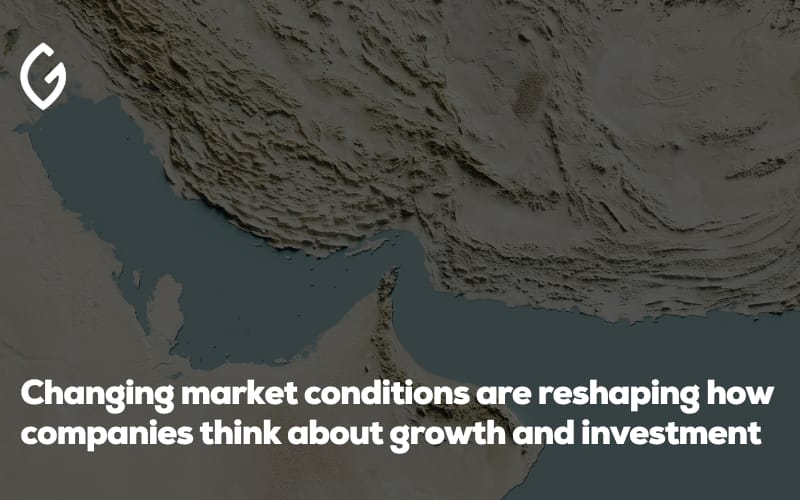
🌍 The global energy crisis, triggered by the ongoing war in Iran, is no longer a localized disruption but a force feeding through the entire global economy. What began as a shock in a key energy corridor is now impacting growth, trade, and capital flows, with the UN expecting global economic growth to slow from 2.9% in 2025 to 2.6% this year. The disruption extends beyond oil, as goods critical for fertilizers and industrial production are also affected, contributing to a slowdown in global merchandise trade growth to 1.5%–2.5% in 2026, down from 4.7% last year. Developing economies are seeing the most pressure, while Europe remains exposed and the US continues to feel the effects through global energy markets.
Countries across Asia and beyond are already implementing fuel rationing, limiting energy use, and introducing emergency measures that directly impact industrial activity. At the same time, higher prices and uncertainty are pushing investors away from riskier markets, increasing borrowing costs across developing regions and tightening financial conditions globally. Even if the conflict were resolved in the near term, the duration of the disruption has already created a meaningful economic drag.
At the company level, the response is more uneven. The crisis has clearly put energy efficiency and alternative energy on the agenda, but uncertainty around how long high prices will persist is holding back major capital allocation shifts. For now, mixed market signals, including forward oil prices suggesting a decline, are limiting the case for large, immediate investments, leading many firms to conserve cash instead.
Over a longer horizon, however, the direction becomes clearer. Research shows that energy shocks tend to reshape how companies invest, gradually pushing them toward more efficient operations and lower energy intensity, even if the initial response is cautious. The current environment adds another layer, as today’s technology stack, from renewables to advanced efficiency solutions, can be deployed faster and at lower cost than in previous cycles. Companies that act early may be better positioned, as seen with IKEA, which committed around $5 billion to renewable energy nearly a decade ago, a decision that is now helping insulate the business from ongoing price volatility. Overall, the situation is creating a paradox: the crisis is strengthening the long-term case for efficiency and clean energy, even as short-term conditions make it harder for companies to act decisively.
MORE INTERESTING NEWS
Latest developments, reports, insights, and trends

🇪🇺 The European Commission proposed changes to the EU Emissions Trading System (ETS) by strengthening its Market Stability Reserve (MSR) to improve market stability and predictability. The amendment would stop the automatic invalidation of excess allowances above 400 million, allowing them to be retained as a buffer to manage future supply tightness and price volatility. While reaffirming the ETS as a core driver of decarbonization, credited with a 39% emissions reduction alongside economic growth, the Commission said the update is needed to adapt the system to rising energy volatility and geopolitical pressures, with the proposal now heading to Parliament and Council ahead of a broader ETS review in July 2026.
📑 The ISSB agreed on the next steps to integrate nature-related disclosures into its reporting standards, introducing incremental requirements on how companies assess and respond to biodiversity risks and opportunities. The move expands beyond climate to include strategy, decision-making, and risk management, regardless of whether actions are part of formal transition plans.
🇨🇭 The Swiss government proposed a new Federal Act on Sustainable Corporate Governance to align sustainability reporting and due diligence rules with EU frameworks such as the CSRD and CSDDD. The law would raise reporting thresholds to companies with at least 1,000 employees and CHF450 million in revenue, reducing the number of in-scope firms, while requiring disclosures under ESRS or equivalent standards. It also introduces stricter due diligence rules for the largest companies, mandating supply chain risk assessments and mitigation measures on environmental and human rights impacts, bringing Switzerland closer to EU-style sustainability regulation.
🇬🇧 Britain’s greenhouse gas emissions fell 2% in 2025 to 367 million tonnes CO₂e, driven mainly by a 12% drop in industrial emissions following steel sector closures. The UK also recorded its first year without coal-fired power in over 140 years, contributing to continued declines, although transport emissions rose 2% due to higher petrol and diesel use. Overall emissions are now down around 54% from 1990 levels as the UK targets net zero by 2050.
In related news, renewables generated a record 52.5% of the UK’s electricity in 2025, driven by strong growth in offshore wind, solar, and bioenergy. Despite this, gas remained the largest single source at 31.5% and rose alongside renewables to offset a 12% drop in nuclear output.
WHAT ARE COMPANIES DOING?
Corporate sustainability, new tools and services & companies in the news
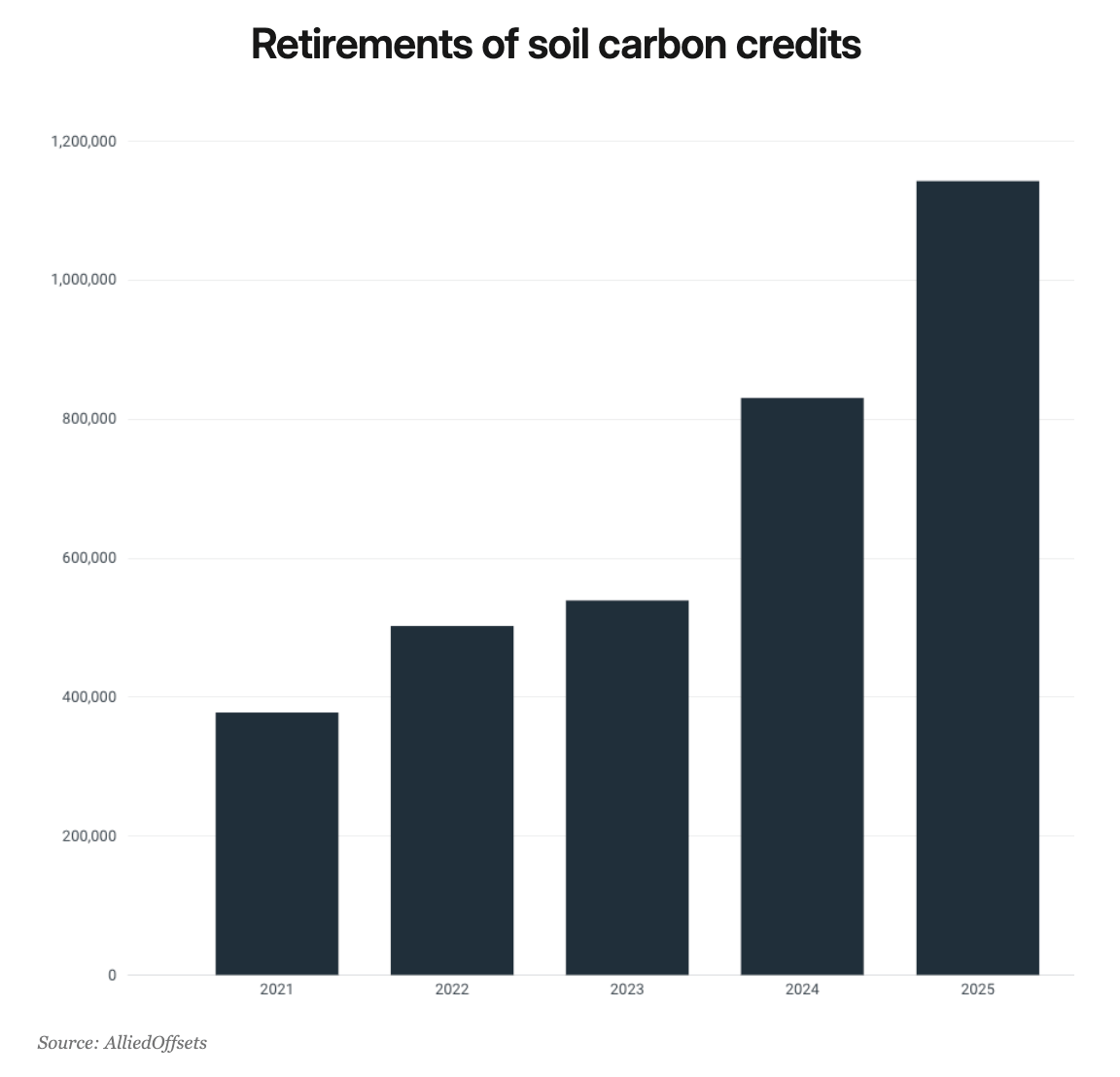
Source: AlliedOffsets | Credit: Trellis
🌾 Corporate demand is fueling a boom in farmland carbon credits, as companies like Microsoft and Walmart ramp up purchases of offsets and value-chain “insets.” A wave of new deals, project launches, and standard approvals is accelerating activity, with developers working alongside farmers to generate credits through practices such as reduced tillage and fertilizer use, while credit retirements have steadily increased in recent years.
Momentum is also shifting toward supply chain-linked investments, with companies using insets to account for emissions reductions within their own operations. At the same time, new mechanisms like book-and-claim systems for low-emissions fertilizer are emerging, pointing to a broader role for market-based solutions in decarbonizing food systems.
Last week, Boeing also signed a multi-year agreement with Grassroots Carbon for the purchase of at least 40,000 tonnes of soil-based carbon removal credits. The credits will be generated through regenerative grazing projects across the US, using field-level soil measurements and third-party verification to ensure durability and integrity. Boeing plans to use the credits to address residual Scope 3 emissions from business travel, as part of its “avoid first, remove second” strategy.
🌳 Living Carbon signed carbon removal offtake agreements with Google, Meta, and McKinsey for over 130,000 tonnes of CO₂ removal from US reforestation projects. The deals, made through the Symbiosis Coalition, support large-scale restoration of degraded land in Appalachia, with projects delivering carbon removal alongside co-benefits such as improved soil and water health, biodiversity gains, and local economic development.
🛩️ American Express Global Business Travel and Shell Aviation extended their long-term agreement with Google to source sustainable aviation fuel (SAF) through the Avelia registry. The program uses a book-and-claim model to enable companies to purchase SAF and claim emissions reductions regardless of location, helping scale demand in the aviation sector. Since its launch, Avelia has supported over 590,000 tonnes of CO₂e abatement, with the extended partnership signaling continued corporate demand to accelerate SAF deployment.
🚛 Volvo Group, Daimler Truck, and Toyota agreed for Toyota to join the hydrogen fuel cell joint venture cellcentric as an equal shareholder to accelerate the development of fuel cell systems for heavy-duty transport. The partnership will combine Toyota’s fuel cell expertise with Volvo and Daimler’s commercial vehicle capabilities to scale hydrogen solutions, particularly for long-haul trucking, where battery options are less viable.
🤝🏻 Nestlé and the International Labour Organization launched a two-year initiative to improve labor rights and working conditions in coffee supply chains across Brazil, Colombia, and Mexico. The project, supported by Nestlé’s Nescafé Plan, will focus on addressing decent work deficits through social dialogue, fair recruitment practices, and targeted interventions, aiming to strengthen worker protections and build more resilient and inclusive coffee value chains.
Solutions
📊 Amazon Web Services (AWS) launched a new Sustainability console to help users track and measure the carbon footprint of their cloud usage. The tool expands on AWS’s existing carbon footprint capabilities by enabling emissions tracking across Scope 1, 2, and 3, with breakdowns by region and service, and provides downloadable reports using market- and location-based methods.
📊 3E launched a new AI platform and solution suite to enhance product compliance through embedded AI, agentic data, and standalone AI agents built on its proprietary regulatory database. The platform integrates AI across compliance workflows, enables natural language interaction via tools like ChatGPT and Copilot, and emphasizes traceability, governance, and security.
📊 Coolset launched an MCP integration that allows ESG data, reporting workflows, and compliance tasks to be accessed directly through AI assistants like Claude without switching platforms. The integration enables users to query emissions data, manage due diligence, update reports, and retrieve audit documentation via natural language, aiming to streamline workflows and make ESG processes more accessible across teams.
EVERYTHING FINANCE
Sustainable finance, funding rounds, acquisitions & private equity deals
Credit: REUTERS/Dado Ruvic
🛢️ A group of European investors led by Follow This urged BP to abandon plans to scrap certain climate reporting commitments and called on shareholders to oppose the move at its upcoming AGM. The proposal would remove earlier requirements linking climate performance to strategy, disclosures, and executive pay, which BP argues have been superseded by broader reporting frameworks, while investors warn this weakens accountability. The dispute also extends to BP’s refusal to include a separate shareholder resolution on its AGM agenda, prompting threats of legal action, as investors push for greater transparency on long-term strategy under declining oil and gas demand. Proxy adviser Institutional Shareholder Services (ISS) has also recommended that investors vote against BP’s plan, calling the move “unprecedented” and not sufficiently justified.
💧 More than a dozen investors are pressing Amazon, Microsoft, and Alphabet over the environmental impact of their US data center expansion, particularly water and power use, after community opposition forced several project cancellations. Firms including Trillium Asset Management and Green Century Capital Management are seeking clearer disclosures ahead of shareholder meetings, with Trillium questioning how Alphabet will meet its climate targets after emissions rose 51%, and others highlighting water risks as an emerging concern, given data centers used nearly 1 trillion liters in North America in 2025, and current reporting lacks consistent, site-level transparency.
M&A
⚡️ TotalEnergies and Masdar agreed to merge their onshore renewable activities across nine Asian countries into a $2.2 billion 50/50 joint venture. The new platform will develop, build, and operate solar, wind, and battery projects, combining around 3 GW of operational capacity and 6 GW in development, as both companies pool capital and expertise to expand in high-growth Asian markets amid rising electricity demand.
📊 Novisto acquired carbon management software company Minimum to deliver a fully integrated end-to-end sustainability and carbon management platform. The deal enhances Novisto’s capabilities across the entire ESG data lifecycle, combining granular carbon data collection and analysis with reporting tools, as companies face growing regulatory demands and seek unified, audit-ready sustainability systems.
Funds
📈 Circulate Capital raised $220 million at the first close of its new Asia II fund to scale circular supply chains and recycling businesses across South and Southeast Asia. The fund, now over 70% toward its $300 million target, will invest in areas such as plastics, packaging, electronics, and apparel, aiming to build nearly two million tonnes of recycling capacity and prevent 30 million tonnes of unmanaged waste, while avoiding over 50 million tonnes of CO₂ emissions.
Startup funding rounds
⚡️ EnerVenue raised $300 million in a Series B extension to scale its lithium-free, long-duration energy storage systems and accelerate global expansion. The company’s nickel-hydrogen technology offers high durability and long lifespans, supporting grid stability and renewable integration.
⚡️ Emerald AI raised $25 million to scale its platform that helps data centers align energy use with grid capacity. The company’s software enables data centers to act as flexible grid resources by adjusting power consumption in real time, supporting grid stability while maintaining performance.
🛰️ TerraSpark raised €5.4 million in pre-seed funding to develop space-based solar power technology that captures energy in orbit and transmits it wirelessly to Earth. The Luxembourg-based startup plans to first commercialize wireless power transmission on Earth before scaling to orbital systems, with pilot projects starting soon and a space-to-Earth demonstrator targeted by 2028.
Did you like today's newsletter? |
PARTNER WITH US

Increase your brand awareness and visibility by reaching the right audience and target market. Showcase your company, solutions, services, products, reports, surveys, events, or other content in front of our highly targeted audience of +6,500 Sustainability & ESG professionals. Contact us at [email protected] if you think we can partner in some way.